
Where the Casa Blanca Brand Stands in the 2026 Premium Market
Although the spelling «Casa Blanca brand» is commonly searched by online shoppers, it means the original Casablanca fashion label based in Paris and established by Charaf Tajer in 2018. In the dense luxury scene of 2026, Casablanca claims a distinct and more and more impactful niche: current luxury with rich storytelling, high-quality materials and a design DNA built around tennis, travel and leisure culture. The brand shows collections during Paris Fashion Week, is stocked through high-end multi-label boutiques and retailers worldwide, and retails its pieces in line with labels like Amiri, Jacquemus, Rhude and Palm Angels. This status situates Casablanca higher than luxury streetwear but under established mega-houses like Louis Vuitton or Gucci, affording it room to scale while keeping the design control and allure that fuel its growth. Grasping where the Casa Blanca brand stands in this ladder is key for customers who seek to shop wisely and appreciate the worth behind each investment.
Profiling the Key Audience
The standard Casablanca customer is a fashion-savvy consumer between 22 and 42 years old who holds dear personal expression, travel and cultural engagement. Many buyers belong to or close to artistic fields—design, media, music, hospitality—and search for clothing that signals style and personality rather than prestige alone. However, the brand https://casablanca-t-shirt.com also draws in individuals in finance, tech and law who wish to set apart their off-duty wardrobes with something more individual than typical luxury defaults. Women represent a increasing percentage of the customer base, attracted by the label’s relaxed cuts, expressive prints and leisure-friendly mood. By region, the biggest markets in 2026 comprise Western Europe, North America, the Middle East, Japan and South Korea, though online channels has expanded reach internationally. A considerable further audience includes archive enthusiasts and resellers who track rare drops and archive pieces, appreciating the brand’s ability for increase in value. This varied but focused customer base grants Casablanca a large commercial base while retaining the air of rarity and cultural specificity that won over its founding fans.
Casa Blanca Brand Core Audience Segments
| Segment | Age Bracket | Motivation | Top Categories |
|---|---|---|---|
| Arts professionals | 25–40 | Originality | Silk shirts, knitwear, prints |
| Street-luxe fans | 18–35 | Limited editions | Hoodies, track sets, caps |
| Travel and travel shoppers | 28–45 | Travel comfort | Shorts, shirts, accessories |
| Collectors and flippers | 20–38 | Appreciation | Past prints, collaborations |
| Female customers | 22–42 | Fluidity | Dresses, skirts, silk pieces |
Price Segment and Quality Story
Casablanca’s pricing mirrors its standing as a current luxury house that favours artistry, construction quality and controlled production over mass-market availability. In 2026, T-shirts typically price between 200 and 350 dollars, hoodies and sweatshirts between 400 and 700 dollars, silk shirts between 700 and 1 200 dollars, knitwear between 450 and 900 dollars, and outerwear between 800 and 2 000 dollars varying with detail and construction. Accessories like caps, scarves and compact bags sit between 100 to 500 dollars. These retail levels are broadly comparable to labels like Amiri and Rhude but can be less than some Jacquemus or Off-White pieces at the upper end. What validates the investment for many customers is the mix of original artwork, premium fabrication and a cohesive brand narrative that makes each piece read as intentional rather than unremarkable. Secondary-market values for coveted prints and rare drops can exceed initial retail, which reinforces the perception of Casablanca as a intelligent acquisition rather than a shrinking spend. Customers who calculate cost per wear—accounting for how regularly they in practice wear a piece—often discover that a flexible silk shirt or knit from Casablanca gives solid value regardless of its retail price.
Retail Model and Retail Presence
The Casa Blanca brand employs a selective retail strategy aimed at protect desirability and stop ubiquity. The main DTC channel is the official website, which offers the full range of latest collections, limited drops and timed sales. A primary store in Paris functions as both a shopping space and a experiential centre, and short-term locations surface occasionally in cities like London, New York, Milan and Tokyo during fashion seasons and creative events. On the multi-brand side, Casablanca supplies a handpicked network of high-end retailers including SSENSE, Mr Porter, Farfetch, Browns, Dover Street Market and key department stores such as Selfridges, Neiman Marcus and Isetan. This curated distribution confirms that the brand is present to serious shoppers without being found in every markdown outlet or fast-fashion aggregator. In 2026, Casablanca is understood to be broadening its store network with permanent stores in two new cities and more significant investment in its web experience, adding online try-on features and improved size guidance. For customers, this translates to growing availability without the over-distribution that can undermine luxury perception.
Brand Positioning Relative to Comparable Labels
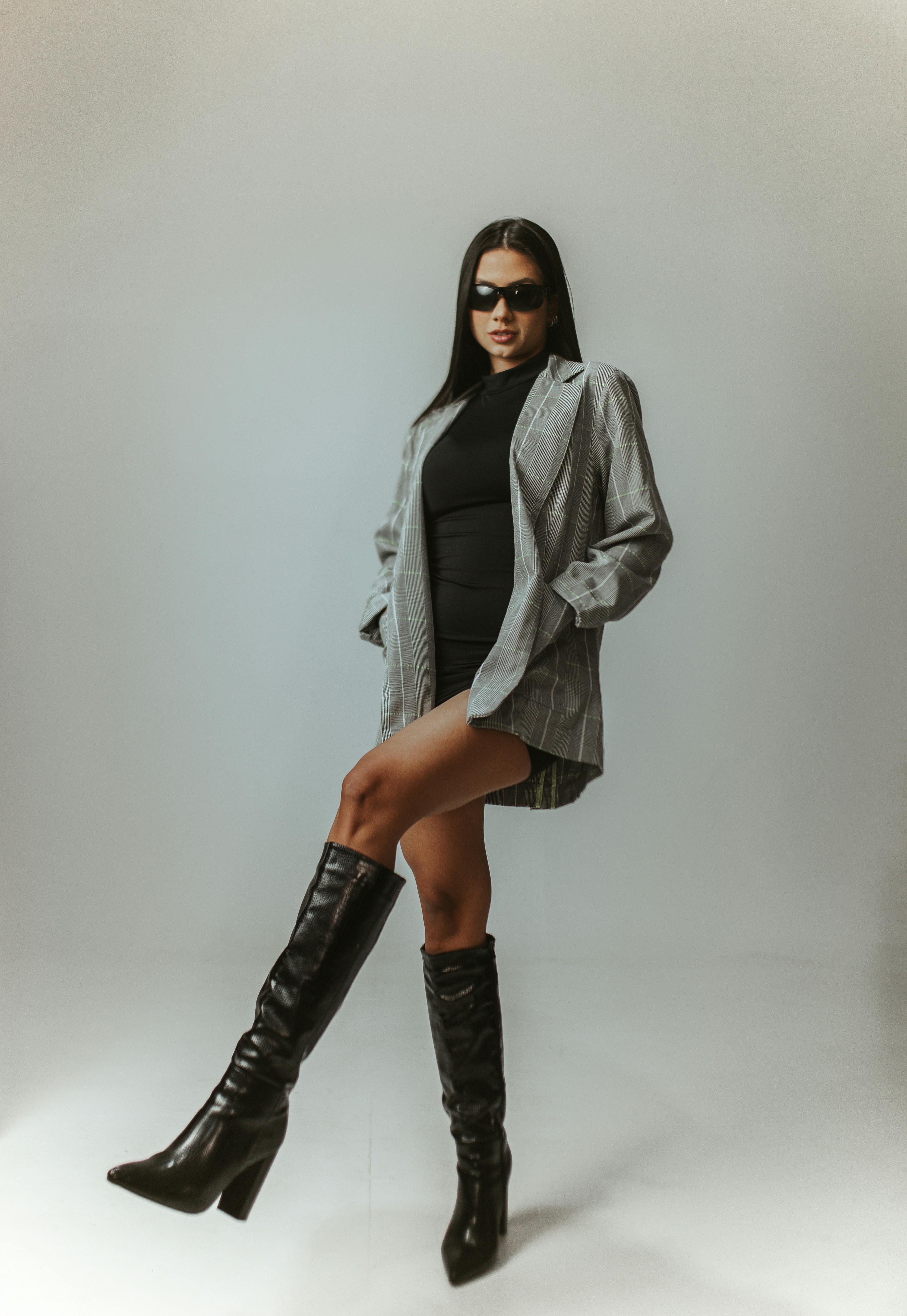
Grasping the Casa Blanca brand’s place calls for comparing it with the labels it most commonly appears alongside in multi-brand stores and editorial editorials. Jacquemus shares a related French luxury heritage but moves more toward minimalism and muted palettes, rendering the two brands complementary rather than opposing. Amiri provides a darker, rock-influenced California vibe that speaks to a separate sensibility. Rhude and Palm Angels occupy the high-end casual space with print-heavy designs that overlap with some of Casablanca’s casual pieces but miss the leisure and tennis story. What sets Casablanca apart from all of these is its consistent investment in artistic prints, colour intensity and a specific energy of happiness and ease. No other label in the new-wave luxury tier has created its full brand story around tennis culture and Mediterranean travel with the same depth and reliability. This distinctive standing gives Casablanca a strong identity that is challenging for rivals to reproduce, which in turn underpins sustained brand value and premium power.
The Importance of Collaborations and Capsule Editions
Collabs and special releases perform a important purpose in the Casa Blanca brand’s positioning. By partnering with activewear companies, design institutions and lifestyle brands, Casablanca brings itself to new audiences while sparking buyer buzz among loyal fans. These capsules are typically manufactured in limited quantities and showcase co-branded prints or unique shades that are not available in core collections. In 2026, collab pieces have grown into some of the most coveted items on the resale market, with specific releases moving above first retail within days of launching. For the brand, this approach creates news attention, pushes traffic to retail and reinforces the view of scarcity and allure without diluting the core collection. For customers, collaborations present a opportunity to buy special pieces that occupy the crossroads of two design worlds.
Forward-Looking Outlook and Consumer Approach
For shoppers deciding how the Casa Blanca brand complements their unique fashion universe in 2026, the label’s identity points to a few practical approaches. If you desire a wardrobe anchored by rich hues, print and travel energy, Casablanca can serve as a key go-to for hero pieces that centre outfits. If your style is more restrained, one or two Casablanca garments—a knit, a shirt or an accessory—can introduce personality into a minimal wardrobe without revamping your complete closet. Collectors and collectors should watch exclusive prints and collaboration releases, which historically retain or surpass their retail value on the pre-owned market. Regardless of path, the brand’s commitment to craftsmanship, storytelling and controlled distribution delivers a customer journey that seems purposeful and rewarding. As the luxury market shifts, labels that deliver both emotional resonance and measurable quality are set to beat those that depend on hype alone. Casablanca’s identity in 2026 suggests that it is designing for endurance rather than fleeting buzz, establishing it a brand worth tracking and buying from for the years ahead. For the newest pricing and range, visit the official Casablanca website or browse selections on Mr Porter.